Metaphysical Properties
iolite is named after the Greek word “ios,” meaning violet. The rich purple to blue hues of iolite earned this gemstone the nickname of water sapphire. Only officially named in 1912, iolite still was loved and valued by cultures throughout history.
Iolite is sometimes referred to as the Viking’s compass. This gemstone is a light polarizer that helped Viking sailors navigate when the sun was hidden by clouds. An iolite lens enabled Vikings to determine the position of the sun even on overcast days, making it possible for them to navigate longer and further than before. While talismans of iolite were used for centuries, iolite became especially popular for jewelry purposes in Europe during the 18th Century. Iolite is the 21st wedding anniversary stone.
In this video, dig deeper into the chemical makeup, history and metaphysical uses of iolite. See why ancient civilizations treasured this gorgeous color-shifting stone and how you can use it on your own jewelry-making path.

What are the Metaphysical Properties of Iolite?
It’s not surprising, with iolite’s ability to help sailors navigate, that iolite meaning became linked to clear vision. Iolite was believed to be able to help lost sailors find their way home and was worn by seafaring men. Metaphysical beliefs suggest that iolite can not only guide the lost home but has the ability to open spiritual pathways that connect the living with the dead. Iolite has been used by shamans to enhance their ability to have clear visions. Some legends even say iolite strengthens eyesight. Other metaphysical beliefs hold that iolite promotes pure thoughts, intuition and self-acceptance. Iolite meaning is associated with the zodiac signs Libra, Sagittarius and Taurus.
What is Iolite Made From?
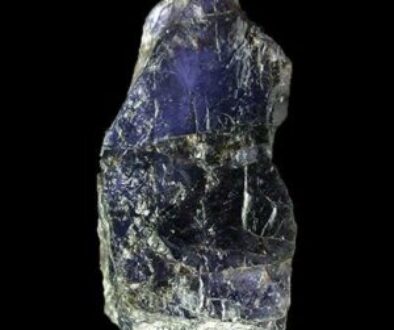
Iolite is the gemstone variety of cordierite, a magnesium iron aluminum cyclosilicate mineral named after the French geologist Louis Cordier. As with some other blue gemstones, iolite is known for its pleochroic properties. Pleochroism is an optical phenomenon where the gemstone appears to be different colors depending on the angle and light source. Polarized light especially displays iolite’s pleochroism. Ranging from deep blue to a purple tint, the deeper the color the more valuable the iolite gem is said to be. Most of today’s iolite comes from India, Australia, Brazil, Canada, Madagascar, Myanmar, Namibia, Sri Lanka, Tanzania and the United States.
Mineral Information Cordereite, cyclosilicate
- Chemical Composition Mg2Al3(AlSi5O18)
- Color Medium blue to intense blue-violet
- Hardness 7 to 7-1/2 (Mohs)
- Specific Gravity 2.58 – 2.66
- Refractive Index 1.53 – 1.55
How Do You Clean Iolite?
Though iolite is fairly hard, with a Mohs hardness of 7 to 7-1/2, it is still wise to be gentle with this pleochroic gemstone. Iolite is susceptible to damage caused by heat and temperature changes, so it is not recommended to use boiling, ultrasonic or steam cleaning methods. The best method to clean iolite is to rinse with warm water and mild dish soap. Detergents, bleaches and other harsh cleaning chemicals are not suggested. Use a soft brush to remove remnants of makeup or other grime and gently but thoroughly pat dry before wearing or storing. It is a good idea to put on your jewelry, including iolite jewelry, after applying cosmetic products such as hairspray and perfume.